

Dynamic Pricing
If customers are different, why should they all pay the same price? The principle behind dynamic pricing stems from that very question. Dynamic pricing means that prices change in response to real-time shifts in demand and, supply, to competition, and to perceived customer value.
In essence, dynamic pricing is the practice of adjusting prices fluidly to ensure ongoing alignment between what a product or service is worth and what customers are willing to pay. It blends data science with behavioral economics, allowing businesses to fine-tune value delivery without resorting to blanket price changes or rigid rate cards.
The approach isn’t new. Airlines, hospitality, and ride-sharing platforms have long relied on it. What , sets modern dynamic pricing apart is its precision. By combining algorithms, market data, and predictive analytics, companies can adapt faster and smarter to rapidly changing market realities.
Yet, for dynamic pricing to succeed, it must be seen as fair. Customers need to understand that price variations reflect market logic and not manipulation. The story about the price change When implemented transparently and fairly, dynamic pricing can improve customer access to goods, optimize a company’s revenue, and ensuring that value, not uniformity, defines the exchange between companies and customers in the marketplace.
RECOMMENDED READING


What Is Dynamic Pricing and Why Does It Matter?
At its core, dynamic pricing is a data-informed approach in which prices fluctuate in response to market conditions, often in real time. The drivers could be imbalances in demand and supply, customer behavior, or competitor activity. Rather than assigning a static price, businesses use data and analytics to ensure pricing remains adaptive and relevant to the prevailing market context.
In traditional static pricing, a company sets a single universal price which and often remains unchanged over time. That form of price setting is simple to manage, it does not take into account the variations in customer perception, market opportunities, and willingness to pay. Dynamic pricing, in contrast, recognizes that value is variable and situational. What a customer is ready to pay today might not be the same amount tomorrow.
Dynamic pricing transforms price setting from an occasional and routine decision into a real-time response mechanism that requires a mix of strategic oversight and real-time analytical insights.
How Dynamic Pricing Works
At its foundation, dynamic pricing works by blending three elements: data, context, and judgment. The proposed plans of the US restaurant chain Wendy’s to use a form of dynamic pricing show why this blend is important. It’s notThe point is not to have prices fluctuate constantly, but rather to enable a business to make informed adjustments to prices. Businesses use a combination of market intelligence and predictive analytics to determine when and how to modify prices in response to shifting conditions.

Data as the Foundation
The groundwork for dynamic pricing is a wide range of information. Common inputs include data on historical sales patterns, competitor pricing, demand forecasts, and signals on customer behavior. The quality of the outcomes depends on the quality of this informational foundation.
Algorithms and Market Triggers
Algorithms evaluate data continuously to identify pricing triggers such as changes in demand, inventory levels, or time-sensitive opportunities. But they do not respond by making arbitrary price changes. Any price changes must occur within predefined parameters. This is where automation meets strategy and where data, context, and judgment come together.

Human Oversight and Fairness
Despite its reliance on algorithms, effective dynamic pricing is not entirely autonomous. Human oversight ensures that decisions remain ethical and aligned with brand perception. A purely mathematical approach may optimize revenue or profit, but price changes without the human oversight puts trust at risk.
Dynamic Pricing Strategy: Turning Market Conditions Into a Pricing Advantage
A successful dynamic pricing strategy is not simply about changing prices frequently in response to market impulses. While some companies use dynamic pricing as a means to set prices, for other companies it is the essence of their operations. It defines how they think about value and about their relationships with customers.
That is why one of the seven pricing games is the Dynamic Game. The organization is deliberately designed to link pricing flexibility to the business purpose.
The first step is clarify objectives of objective. Dynamic pricing should support measurable goals such as improving utilization, balancing demand, or optimizing margins, not just chasing short-term gains.

Second, the dynamic pricing strategy integrates data science with a deep understanding of the entire market. All major drivers of price variance – location, time, customer segment, occasion, supply and capacity, volume, and channel – affect marginal costs, customer value, and willingness-to-pay understanding. Algorithms can identify opportunities, but the insightsy need human interpretation to ensure that price changes and price levels remain credible and justifiable. This alignment between analytics and empathy defines whether a pricing approach strengthens or weakens customer trust.
Third, effective strategies maintain transparency and fairness. Customers are more accepting of price variability when they perceive the logic behind itany price variance. Communicating this logic transforms pricing from an opaque mechanism into a signal of value.
Finally, the best dynamic pricing strategies are iterative. They evolve through continuous testing, feedback, and refinement, adjusting not only to market data but also to customer sentiment. The result is a system that learns while s, balancing customer perception, analytical precision, and long-term profitability and purpose.
In this edition of the Game Changer newsletter, you can find examples of how companies are winning the Dynamic Game.
Dynamic Pricing vs Static Pricing
| Aspect | Dynamic Pricing | Static Pricing |
|---|---|---|
| Definition | Prices adjust based on real-time factors such as demand, time, occasion, and customer behavior. | Prices remain constant over a specific time period, regardless of market changes. |
| Flexibility | Highly adaptable to market conditions. | Fixed and predictable. |
| Data Dependency | Relies on analytics, algorithms, and market data. | Minimal dependence on real-time data or automation. |
| Customer Perception | Can be viewed as fair and personalized when transparent, or unfair if misused. | Seen as transparent and stable. |
| Revenue Optimization | Enables fine-tuned revenue and margin control. | Limits optimization opportunities. |
| Complexity | Requires continuous monitoring and system integration. | Simple to administer and communicate. |
| Best Suited For | Markets with perishable inventory (travel, hotels, event tickets) or highly variable demand (e-commerce, on-demand services). | Stable markets (retail staples, predictable demand, regulated sectors). |
Static pricing seems clear and fair because everyone pays the same visible price. Dynamic pricing recognizes that valuations vary across customers, and customers often vary theor own valuations.the choice between them isn’t binary. Many modern businesses combine both models,depending on the conditions in the table above.
When Markets Move, Prices Follow
And when prices move, markets follow! Dynamic pricing can work both ways. A company can change prices in response to greater demand and tight supply, and conversely, it can change prices to stimulate demand or clear remaining inventory when that is in their interests. The effectiveness of dynamic pricing is best understood through observation, by examining looking at how industries translate market signals into pricing actions. Across sectors, these strategies demonstrate how real-time pricing mechanisms balance demand, value, and fairness.
Striking that balance is becoming a bigger challenge as artificial intelligence raises the possibility that companies can one day personalize every price. For the pros and cons of that world, you can check out this edition of the Game Changer newsletter.

Airlines and Hospitality
These sectors were among the earliest adopters of dynamic pricing. A, airlines and hotels adjust fares or room rates based on variables such as booking time, demand surges, availability. A single flight or hotel night may have multiple price points, each reflecting moment-to-moment demand. This practice optimizes utilization and minimizes idle capacity while maintaining profitability.
Ride-Sharing and Mobility Services
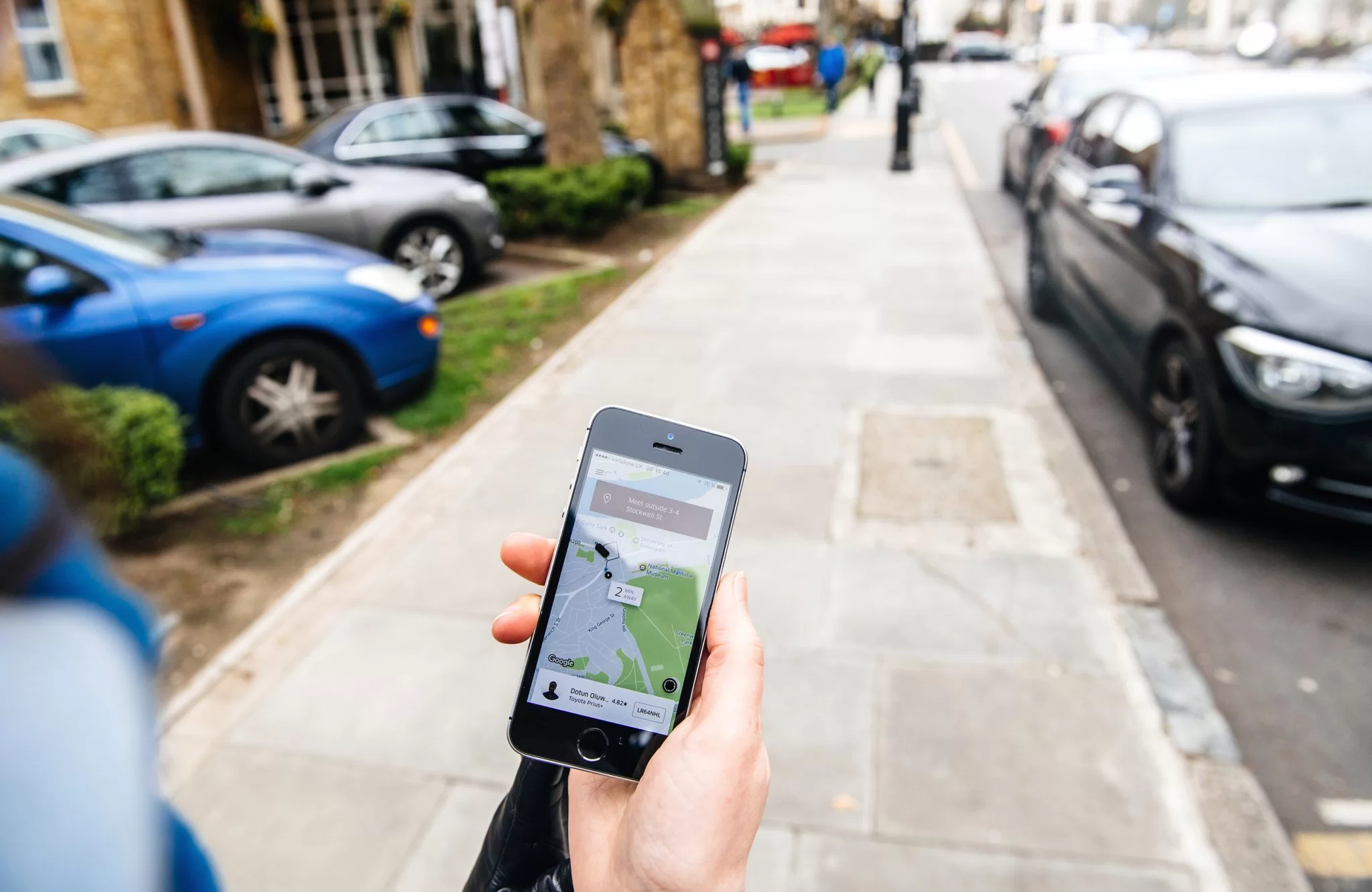
Ride-sharing platforms introduced what is commonly known as “surge pricing.” When demand outpaces supply – such as , during rush hours or bad weather – prices, increase temporarily to rebalance supply and demand. Although sometimes controversial, this model illustrates how dynamic pricing works to help companies reallocate resources in real time.
Retail and E-Commerce
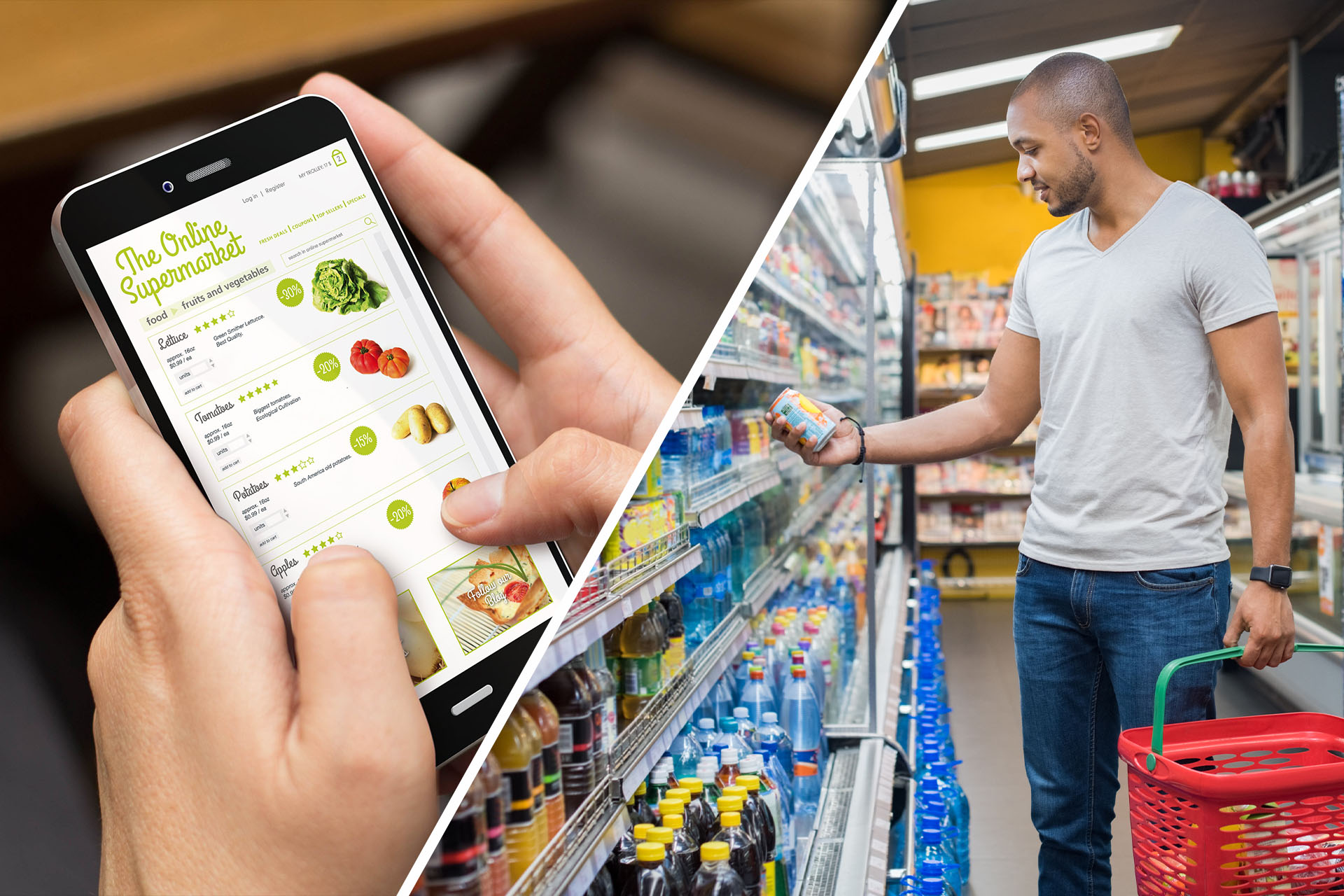
In online retail, dynamic pricing is powered by algorithms that track competitor prices, inventory levels, and consumer behavior. Some eE-commerce platforms frequently adjust prices to, ensur competitiveness and inventory turnover.

Entertainment and Events
This is one of the most visible dynamic pricing examples in consumer markets. Ticketing systems increasingly use dynamic pricing for concerts, sports, and cultural events. Prices fluctuate based on seat location, booking time, and demand patterns. This enables event organizers to optimize attendance while maximizing revenue.

Software and Digital Services
In SaaS and digital platforms, dynamic pricing takes a subtler form and can include , usage-based billing or time-sensitive promotions. Instead of fixed plans, pricing adapts to consumption, ensuring users pay proportionally to the value they receive.
FAQS
Dynamic pricing is an price-setting approach that companies use to change in response to real-time factors such as demand, competition, and market conditions. Instead of setting a single static price, businesses use data and algorithms to adjust prices proactively or reactively, ensuring better alignment between perceived value and customer willingness to pay.
Dynamic pricing works in several steps. Companies start by analyzing large volumes of data such as , sales trends, competitor prices, or data on customer behavior. Based on this and other information, the company can determine optimal pricing at any given moment. Algorithms process this data continuously, allowing businesses to modify prices automatically within defined strategic parameters that help maintain fairness. A critical step is that customers understand the logic behind any price changes, so that they are more likely to perceive them as fair or reasonable.
Common dynamic pricing examples include airline fares that rise and fall with demand, hotel rates that shift by time, and e-commerce prices that adjust based on inventory or competitor activity. Ride-sharing platforms and event ticketing systems rely on dynamic pricing to balance demand and resource availability in real time.
The key difference lies in flexibility. Dynamic pricing adapts to changing market conditions, while static pricing remains set. Dynamic pricing capitalizes on data and algorithms to optimize value, whereas static pricing emphasizes simplicity and predictability. Many modern businesses use a hybrid model to balance agility with transparency.
A fair dynamic pricing strategy combines data-driven precision with ethical oversight. Businesses should define clear objectives, maintain transparency about pricing logic, and use algorithms responsibly to prevent discriminatory or misleading outcomes. When companies prioritize fairness and communication, dynamic pricing can strengthen both revenue performance and customer trust.