
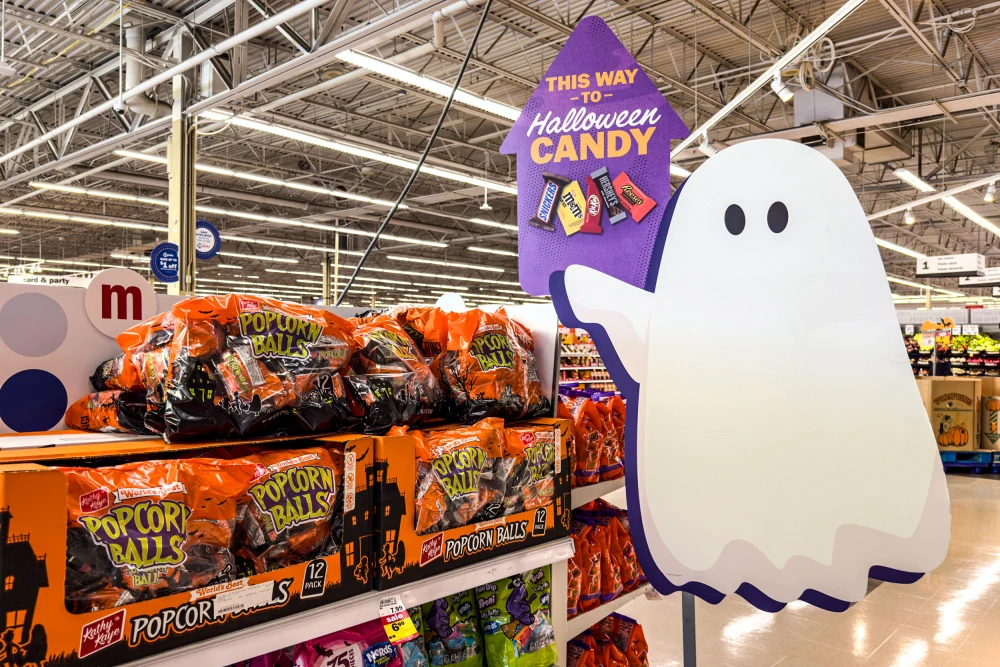
When kids dig into their trick-or-treat bags this weekend, they’ll be searching for their favorite sweets.
Me? I’m searching for pricing outcomes, because the bag contents will reflect pricing decisions that candy companies made over the last few months. One ingredient made all the difference: chocolate.
Cocoa prices have more than doubled since early 2024, according to a recent Reuters report. Around 70% of the world’s supply comes from West Africa, where growers have faced heavy rains and crop disease. The 𝘓𝘰𝘴 𝘈𝘯𝘨𝘦𝘭𝘦𝘴 𝘛𝘪𝘮𝘦𝘴 recently reported that Halloween accounts for 18% of annual candy sales in the US, making it the second-largest consumption occasion behind Christmas.
These cost spikes in a high-demand season pose a quandary for chocolate candy makers: do we raise prices, shrink package sizes, change the formula, or eat the costs? The last waves of inflation and shrinkflation showed that none of these alternatives is a clear winner for the company or consumers. In contrast, makers of other candies, such as gummies, have opportunities to melt away some of the chocolate market shares.
Finding the best solution starts with three questions:
1. 𝗛𝗼𝘄 𝗱𝗼 𝘄𝗲 𝗰𝗿𝗲𝗮𝘁𝗲 𝗮𝗻𝗱 𝘀𝗵𝗮𝗿𝗲 𝘃𝗮𝗹𝘂𝗲? Many factors play a role here, from brand equity to perceived quality to distribution (mass vs. specialty). These factors influence price sensitivity.
2. 𝗪𝗵𝗮𝘁 𝗽𝗿𝗶𝗰𝗶𝗻𝗴 𝗴𝗮𝗺𝗲 𝗱𝗼 𝘄𝗲 𝘄𝗮𝗻𝘁 𝘁𝗼 𝗽𝗹𝗮𝘆? For most candy makers and retailers, it’s the Uniform Game. Sellers trade off volume and margin to optimize their own uniform prices. They use several price elasticities, including cross-price elasticities, which indicate effects on alternative products when prices change for a given package.
3. 𝗪𝗵𝗶𝗰𝗵 𝗽𝗿𝗶𝗰𝗶𝗻𝗴 𝗺𝗼𝗱𝗲𝗹 𝗯𝗲𝘀𝘁 𝗳𝗶𝘁𝘀 𝘆𝗼𝘂𝗿 𝘃𝗮𝗹𝘂𝗲 𝗰𝗿𝗲𝗮𝘁𝗶𝗼𝗻 𝘀𝘁𝗿𝗮𝘁𝗲𝗴𝘆? This answer includes the tactical measures, from bundling to promotions. These choices will play out differently for chocolate brands and non-chocolate brands.
Psychological factors also play a role in these decisions. Customers may be more likely to accept supply-and-demand as an argument for small price increases, but are skeptical of larger price increases.
The ultimate pricing decisions will depend in part on financial and commercial objectives. My colleagues have seen a recent trend toward volume growth instead of price increases, as many consumers still struggle with high prices. The decision also depends on the depth of the company’s analyses. Advanced tools allow CPG companies and retailers to understand how the Uniform Game will play out at the local and store level, enabling them to target price changes, package changes, and promotions.
Who succeeded? We’ll know in the next few days when we can peek into those trick-or-treat bags.
Original article can be found here.