
Fairness
The fairest prices – not the highest prices – optimize profits for a business.
That conclusion derives from extensive research into the relationship between pricing and fairness over the last decade. It hinges on the definition of a “fair” price and ultimately on the definition of fairness itself.
The human sense of fairness is part nature and part nurture. On the nature side, a famous experiment with capuchin monkeys showed that primates have an ingrained sense of what’s fair and what isn’t. A monkey will refuse a reward for completing a task – and thereby act against its own rational self-interest – if it sees that another monkey has received a better reward first for completing the same task.
On the nurture side, many societies accept that it is fair to treat some groups differently in terms of pricing. Think of the special discounts or benefits that seniors and students receive. Yet the level of acceptance varies around the world – and in many fascinating ways – by culture, economic class, age, and even political beliefs.
This makes it tricky for a business to define and set fair prices.
RECOMMENDED READING

What Is a Fair Price and Why Is It Difficult to Define
Common definitions of a “fair” price seem reasonable at first glance, but each has enough drawbacks that prevent them from becoming a universal or standard definition.
- Same for everyone? A Philadelphia retailer named John Wanamaker invented the price tag in the 1800’s with a profound logic rooted in his faith: “If everyone was equal before God, then everyone should be equal before price.” Uniform prices make intuitive sense, but our research challenges that intuition. Societies around the world feel prices are still fair when some groups (seniors, students, veterans, for example) pay different prices.
- Accepted by both parties? In isolation, a price that each party in a transaction willingly accepts should be considered fair. But as the experiment with the capuchin monkeys showed, the perception of fairness can change if the context changes. Something similar occurs in business when a buyer and seller strike a mutually satisfactory deal, but then the buyer later finds out that their primary competitor completed the same transaction at a much lower price.
- Set by the free market? One tenet of economic thinking is that balancing supply and demand leads to fair outcomes. But the free market often leads either to uniform prices, to price gouging, or to regressive prices that entrench biases. Minorities and women, for example, tend to pay higher prices for cars. Less wealthy patients tend to pay higher prices for medications.
Another definition is that a fair price shares value equally across buyers and equitably between buyers and sellers. But there is no standard or universal answer to “what is a fair price?” It depends on the context, and business leaders should strive to practice price differentiation in ways that mutually benefit themselves and their customers, if not society as well.
Fair Value Pricing and the Economics of Perception
Psychologists have identified three types of fairness, based on the unit of measurement: outcomes, needs, and processes. These influence how people assess whether the source of value is a good basis for fair pricing.
Outcome-Based Fair Pricing
The focus is on end states, ensuring that everyone achieves the same result and pays accordingly. Buyers expect and pay for the achievement of a result or outcome, not based on the underlying process or other factors.

Needs-Based Fair Pricing
Buyers pay different prices based on their individual needs. Unequal outcomes may be fair if they align with those needs. Needs-based pricing is the rationale behind college financial aid in the United States.

Process-Based Fair Pricing
This focuses on how an end state is achieved. Unequal outcomes may be perceived as fair if the process behind them is perceived to be fair. Buyers pay for the steps in the process, even if other buyers receive better or worse outcomes.

Value Alignment in Fair Value Pricing
This form of fair value pricing is called progressive pricing. Customers pay a price proportional to the value they receive, rather than paying the same fixed price others pay. But the firm must make the case for this perceived fairness.
How Fair Pricing Works in Markets
Price differentiation – often called price discrimination in economic parlance – can be compatible with fair pricing and even help an industry grow by expanding access and opportunities. People may dislike the process of buying airline tickets because of dynamic pricing, but splitting a cabin into first class, business, and various gradations of economy has made flying affordable to millions who never had access before.
Three actions help buyers perceive prices to be fair:
Justify the differences: Your communication should justify price differences positively, transparently, and explicitly. Focus on aspects such as the differences in cost to serve, differences in needs, or other aspects such as time.
Give buyers more agency: People tend to perceive prices as fair when they have some control over them through their behaviors. For example, they generally accept membership in a customer loyalty program or participation in a buyers club as reasons that justify why some people may receive lower prices.Leave money on the table: Buyers expect a surplus, which is their fair share of the value in a transaction. A company with an unmatched value proposition has more leeway to vary prices and to claim a higher share of the value, even more than 50%. A company with a me-too product may leave up to 90% of the transaction value in the customer’s hands.

The Trade-offs Behind Fair Pricing Strategy
Several factors influence a customer’s perception of fair pricing. They include quality differences as well as the buyer’s perception of the seller’s costs. Buyers may also know current demand, how much others have paid, and their negotiating balance with the seller.
The nature of the transaction and of the relationship to the seller also play a role:
- Is the customer buying for the first time? Do they expect future transactions? Are they buying in bulk? Are they under pressure?
- Is the seller familiar? Do they have a trustworthy reputation? Are they conducting business openly within social norms and conventions?
Finally, the cultural or “nurture” factors play a role. Perceptions of fair prices differ by sociodemographic factors as well as country differences.
Fair Pricing Examples in Practice
Depending on their objectives and their understanding of how customers perceive fairness, companies can choose from several pricing models:
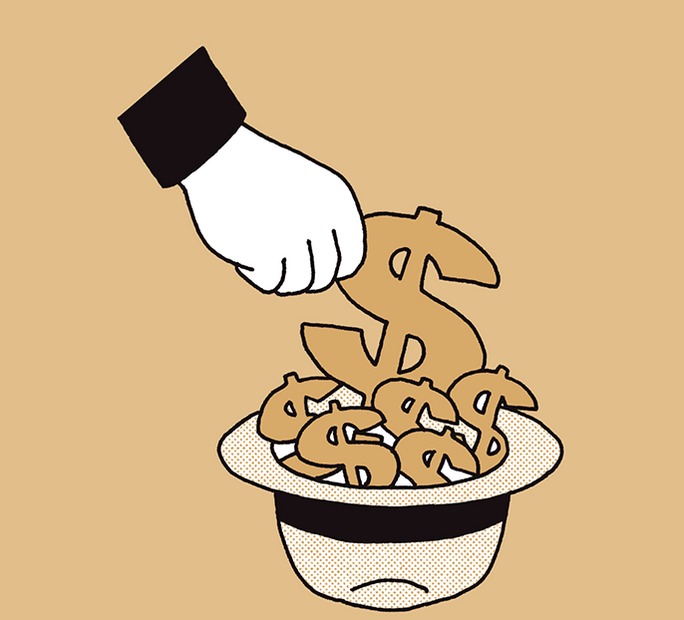
Pay-What-You-Want Pricing Models
Customers set their own prices, which gives them agency as well as control over their surplus. Museums often use this approach. The rock band Radiohead also used this model when it released a new album in 2007.
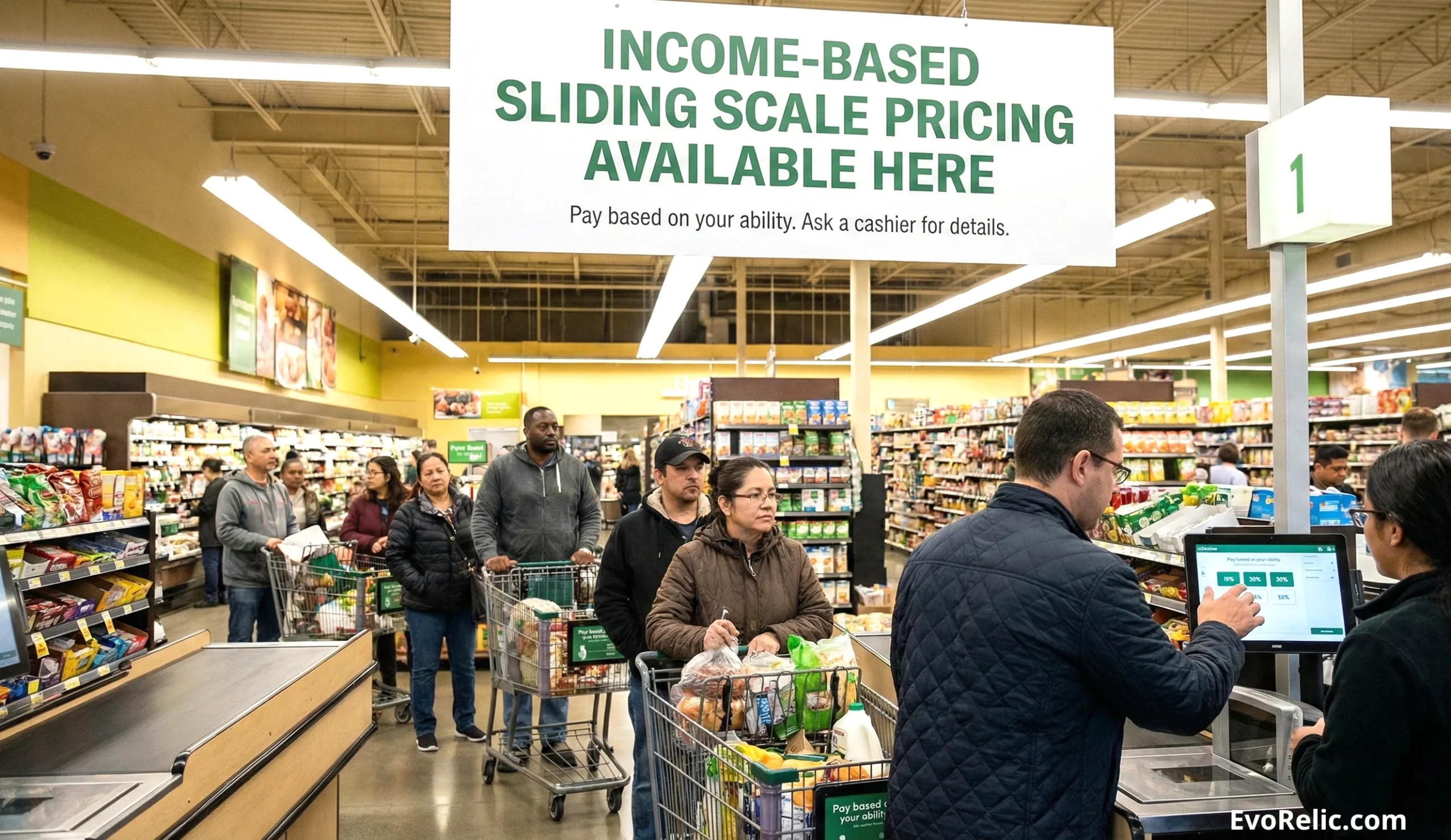
Income-Based or Sliding Scale Pricing
This can be a form of progressive pricing when the sliding scale is a function of value. Tax systems use this form of pricing when they assign a higher tax rate to people in higher income brackets. Financial aid is likewise often means-based.

Transparent Dynamic Pricing Models
The key to success for any dynamic pricing model is transparency. Buyers will appreciate and acknowledge a change in price when the context has changed as well. The more a company – especially one playing the Dynamic Game – can help buyers understand why prices changed, the more likely buyers will perceive the change as fair.
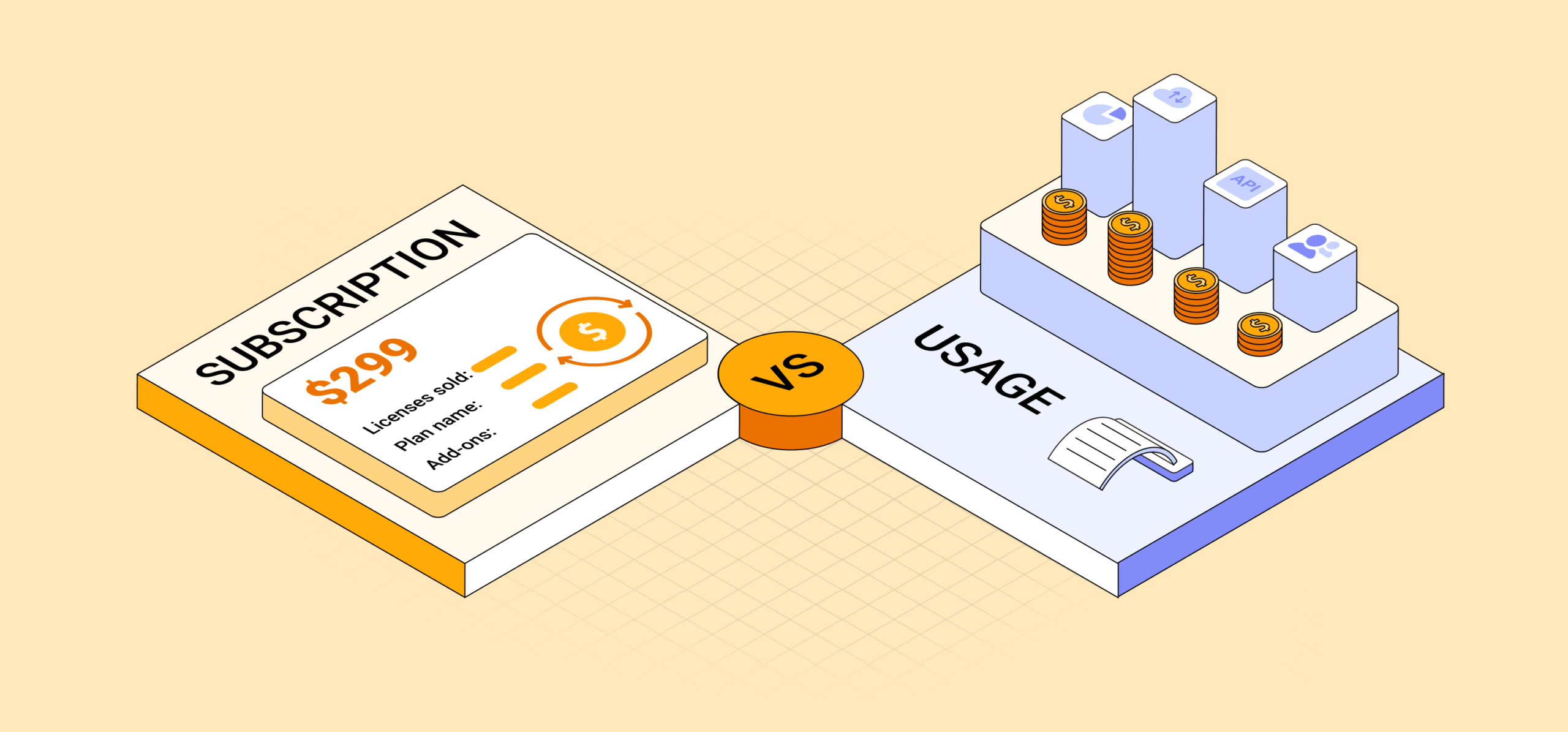
Usage-Based and Subscription Fair Pricing
These models are effective because they give buyers some agency over prices. They control how much they consume (usage-based fair pricing), or they can select a subscription tier in line with their expected consumption. These models are common in the Choice Game.
FAQS
There is no standard or universal answer to “what is a fair price?” It depends on the value exchanged and the context of the transaction. Business leaders should strive to practice price differentiation in ways that mutually benefit themselves and their customers, if not society as well. In that context, fair prices — not the highest possible prices — actually optimize profits, because they shape repeat business, customer trust, and long-term willingness to pay.
Every common definition has drawbacks. “Same price for everyone” feels intuitive, but most societies accept different prices for groups such as seniors or students. “A price both parties agree to” can later seem unfair if the buyer learns that a competitor paid less. And “whatever the free market sets” can produce price gouging or regressive outcomes — such as minorities or less wealthy customers paying more for cars or medications.
No. John Wanamaker invented the price tag in the 1800s on the principle that everyone should be treated equally at the store shelf, but research challenges that intuition. People around the world consistently view it as fair when seniors, students, veterans, or other groups pay different prices, particularly when the difference reflects need, value, or context.
Psychologists describe outcome-based fairness (everyone pays for the same end result), needs-based fairness (people pay differently based on individual needs, as with college financial aid), and process-based fairness (unequal outcomes are fair if the process behind them is perceived as fair). Each gives a different basis for setting prices and explaining them to customers.
Under progressive pricing, customers pay in proportion to the value they receive rather than paying the same fixed amount as everyone else. It echoes the logic of a progressive tax system, and it requires the firm to make an explicit case for why this differentiated pricing is fair.
Yes. Price differentiation — sometimes called price discrimination — can expand access and grow markets. Splitting an airline cabin into first class, business, and tiers of economy, for example, made flying affordable to millions. The key is justifying the differences in cost-to-serve, needs, or timing, rather than letting customers infer arbitrary or exploitative motives.
Three actions help. Justify the differences positively, transparently, and explicitly. Give buyers more agency through behaviors they can choose, such as joining a loyalty program or buyers’ club. And leave money on the table, so that customers walk away with the surplus they expect as their fair share of the value.
Customers expect to walk away with a surplus, and the size of that surplus signals whether they were treated fairly. A firm with an unmatched value proposition can claim a larger share of value — even more than 50 percent — while a firm with a me-too product may need to leave up to 90 percent of the transaction’s value with the customer. Pricing too aggressively against this expectation erodes trust and reduces profits over the long term.